Applicant Tracking System for Education
Hire with confidence across every campus and department
With 1 in 8 teaching positions unfilled or understaffed nationwide, you can't afford slow hiring. Pinpoint helps education teams run faculty searches, staff recruitment, and compliance checks without administrative chaos.
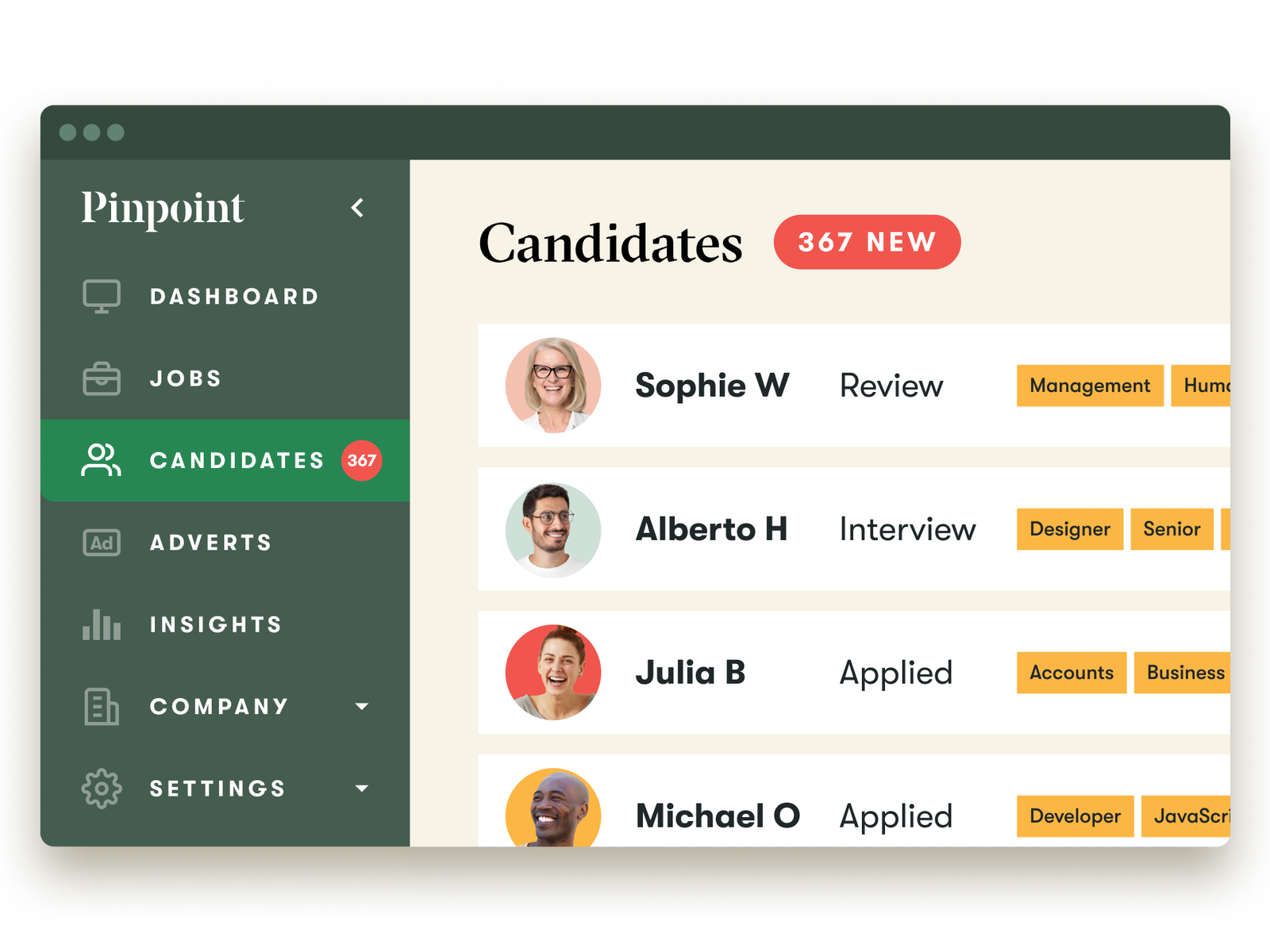
Talent teams at leading higher education institutions choose Pinpoint





Why education talent teams choose Pinpoint
Structured hiring processes across faculties and departments
Bring everything into one platform, while still allowing each team to run recruitment their way—with configurable workflows, templates, and permissions that keep hiring efficient, compliant, and on-brand.
Faculty and staff hiring in one place
From hourly-paid teaching staff and adjunct faculty to tenured professors and research posts, handle multiple hiring types without rigid templates or workarounds. The same platform supports a 6-month faculty search and a 2-week support staff hire.
Multi-campus and international recruitment
From hourly-paid teaching staff and adjunct faculty to tenured professors and research posts, handle multiple hiring types without rigid templates or workarounds. The same platform supports a 6-month faculty search and a 2-week support staff hire.
Compliance and safeguarding built in
Build DBS checks, credential verification, background screening, and right-to-work steps into your workflows so nothing gets missed. Every step is documented with a clear audit trail for when regulators or accreditors come calling.
Fair and consistent hiring
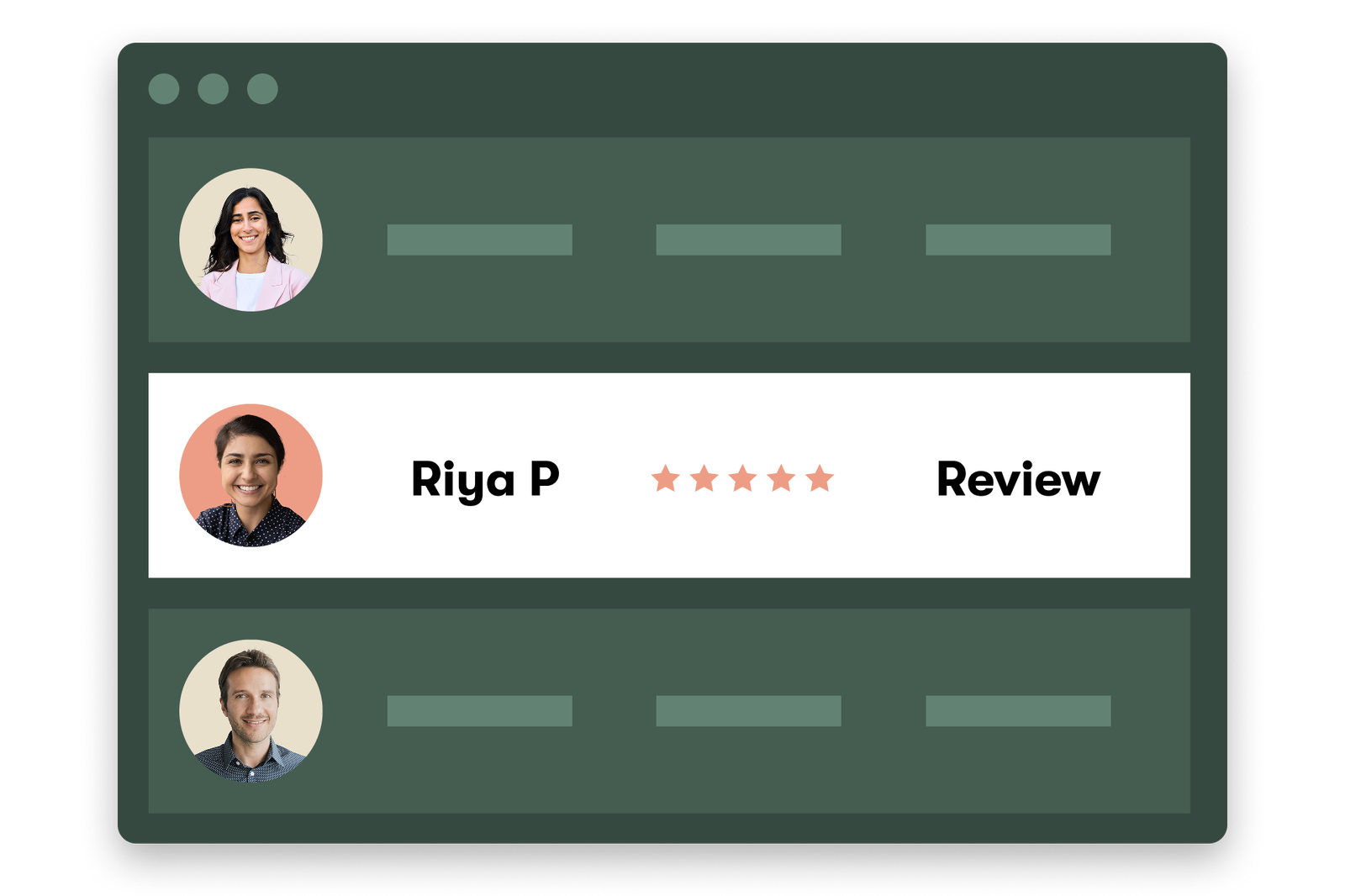
Use anonymized screening, structured interviews, and scorecards to reduce bias and support diversity goals. Demonstrate to candidates, staff, and oversight bodies that your hiring process is equitable and defensible.
Hiring committees made simple
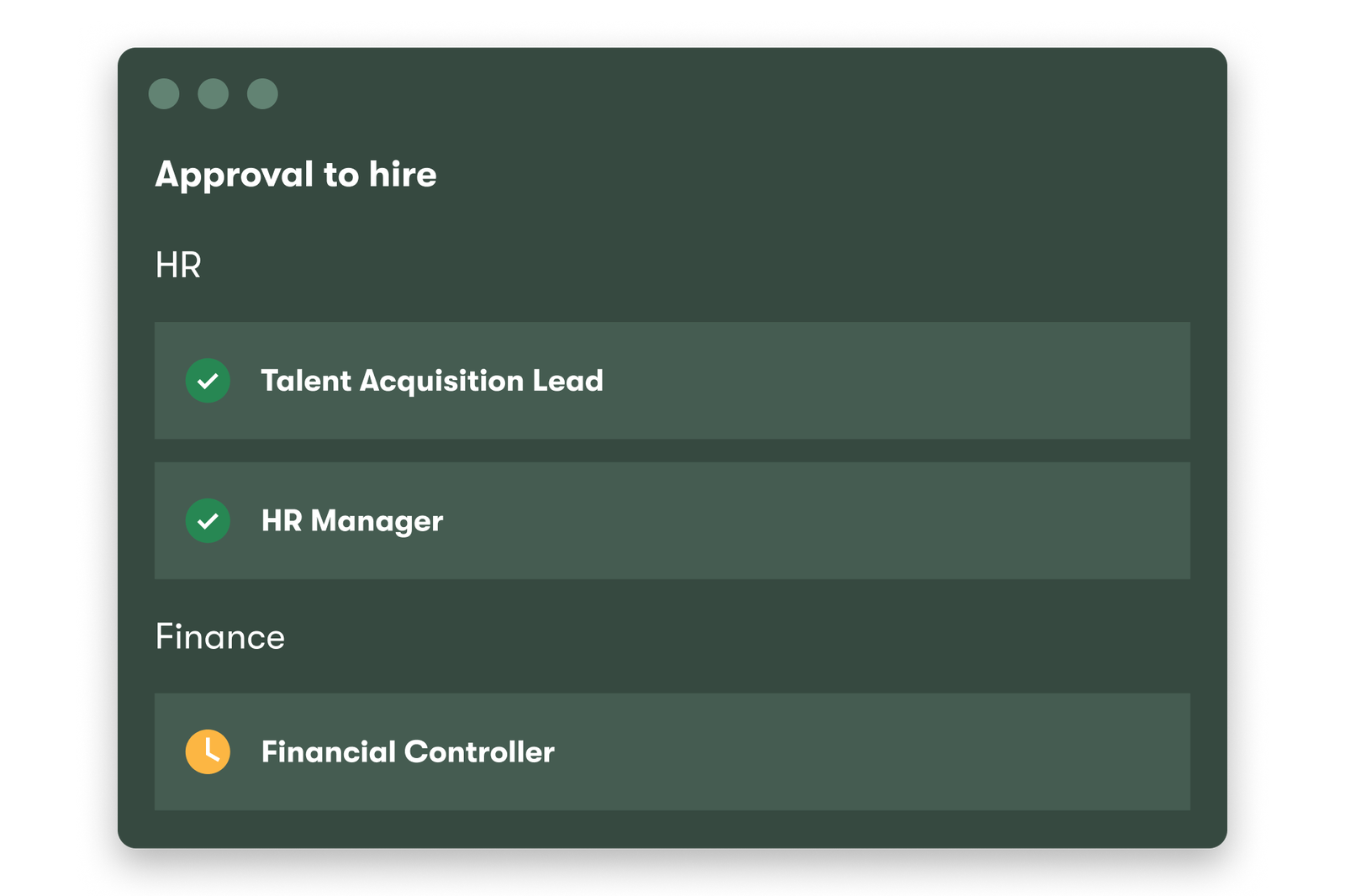
Coordinate multi-person panels, collect consistent feedback through scorecards, and manage complex approval workflows for senior appointments. Stop chasing faculty members for interview feedback via email.
All your hiring, one flexible platform
From planning to onboarding, Pinpoint brings every part of the hiring process—and every stakeholder—into one place, so you can move faster, stay in control, and make smarter decisions
Plan
Get less reactive and more proactive
- Position Management
- Job Requisition Management
- Reporting
Attract
Reach the right candidates, wherever they are
- AI Candidate Companion
- Branded Careers Website
- Job Board Advertising Software
- Employee Referral Software
- Recruitment Agency Portal
- Online Application Forms
- Sourcing Extension
- Multilingual Candidate Experience

Engage
Create a great experience for today’s candidates—and tomorrow’s
- Automations
- Talent Pool Software
- Candidate Profiles
- Candidate Communication Management
- Multilingual Candidate Experience
- Candidate Experience Surveys

Select
Bring every part of the selection process into the ATS for better decisions, faster
- Background checks
- Reference checks
- AI Candidate Filters
- AI Candidate Match Score
- Interview Scheduling Software
- Video Interviewing
- Blind Recruitment Software
- Candidate Scorecards
- Offer Management Software
- Team Collaboration
- Hiring Workflow Management Software
Onboard
Personalize new hire onboarding at scale, with less admin
- Employee Onboarding


Award-winning and highly rated


Ready to learn more?
We'd love to show you around.
ATS FAQs for education
How can education institutions hire faster without compromising on safeguarding?
Speed and compliance aren’t mutually exclusive, but they require intentional process design.
First, run compliance steps in parallel rather than sequence. Don’t wait for the background check to complete before starting reference checks. Trigger everything that can run simultaneously as soon as candidates reach the appropriate stage.
Second, automate what you can. Candidates can upload credentials, consent to background checks, and complete right-to-work documentation through self-service portals. Your team reviews and verifies rather than chasing paperwork.
Third, set clear timelines and escalations. If a background check is taking too long, the system should flag it. If a reference hasn’t responded, automated reminders should go out. Don’t let compliance steps become bottlenecks because they’re sitting in someone’s inbox.
Fourth, maintain separate workflows for different risk levels. A tenured faculty position needs more scrutiny than a temporary catering role. Build appropriate processes for each rather than applying the same heavyweight approach to everything.
Why do education institutions need different hiring processes for different roles?
A six-month faculty search with teaching demonstrations and committee evaluations looks nothing like hiring a part-time dining worker who needs to start next week. Forcing both through the same process wastes time on one end and creates gaps on the other.
Faculty and academic roles need extended timelines, multi-stage interviews, teaching demonstrations or research presentations, credential verification, committee coordination, and complex approval chains.
Professional staff roles need standard interview processes, relevant skills assessments, background checks, and departmental approval.
Support staff roles need fast screening, availability checks, compliance verification, and rapid onboarding.
Your ATS should support all three without requiring workarounds. Pinpoint lets you create different workflow templates for different role types, so HR can maintain oversight and consistency while each search follows the process that makes sense for it.
How do multi-campus universities coordinate hiring across locations?
The challenge is balancing institutional consistency with local autonomy. Each campus has different needs, different labor markets, and different departmental cultures. But you still need visibility, compliance, and some level of standardization.
Start with a shared platform. When every campus uses the same ATS, you get unified data and reporting without forcing identical processes. Central HR can see hiring activity across all locations while each campus maintains their own workflows and branding.
Define what must be consistent (compliance steps, data collection, core metrics) versus what can vary (interview processes, evaluation criteria, local job boards). Build the non-negotiables into required workflow steps; leave flexibility everywhere else.
Use permissions strategically. Campus HR sees their own hiring; central HR sees everything; hiring managers see only their roles. Pinpoint’s granular permissions make this straightforward.
Finally, share what works. When one campus consistently hires faster or has better retention, dig into their process. Cross-campus reporting helps you identify and replicate success.
How do schools and universities manage faculty searches with hiring committees?
Faculty searches are uniquely complex: they involve multiple stakeholders, span months, and require coordinated evaluation from committee members who have limited time and competing priorities.
The key is structured feedback collection. Instead of committee members sending scattered email opinions, use scorecards with consistent criteria. Each committee member evaluates candidates against the same competencies (teaching ability, research potential, departmental fit) and records their assessment in one place. When it’s time to make decisions, you can see where the committee agrees and where they diverge.
Pinpoint supports this with configurable scorecards (tailored to your institution’s evaluation criteria), committee assignment (so the right people see the right candidates), consolidated feedback views (compare evaluations side-by-side), and approval workflows (route decisions through department chairs, deans, or provosts as needed).