Recruitment automation software
Keep hiring moving with automation, even as complexity grows
Build hiring automations once and run them across every job, team, and region. Branching logic handles the complexity, so your team doesn't have to.
Build hiring automations once and run them across every job, team, and region. Branching logic handles the complexity, so your team doesn't have to.


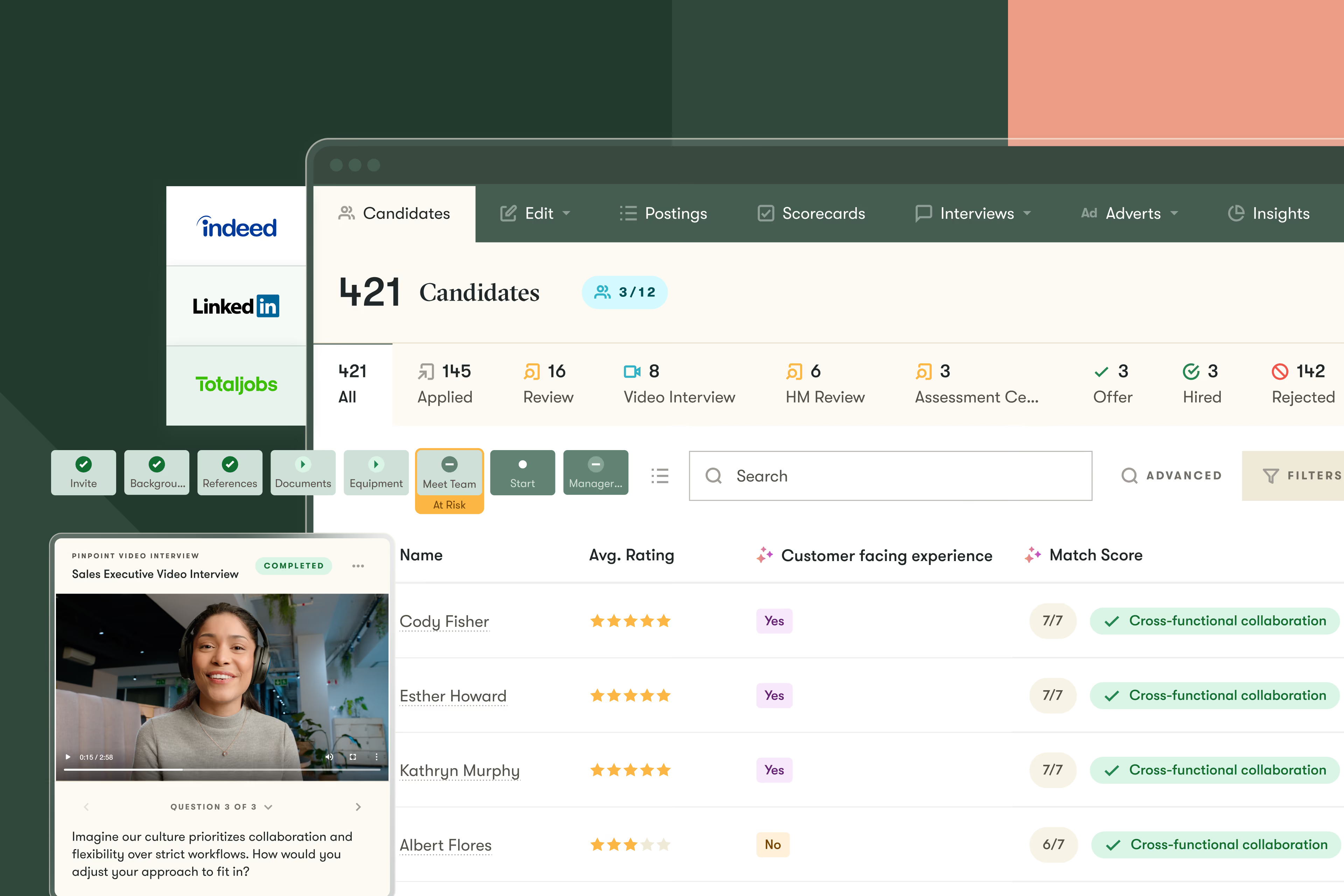
Pinpoint keeps things moving by automatically handling the routine work tied to key moments in your hiring process. Whether it’s progressing candidates, managing offers, or triggering next steps, workflows run in the background so your team can stay focused on high-value work that needs a human.

SLA breaches, stale offers, and jobs filling faster than expected are flagged before they become problems. Automated escalations notify the right manager, and department-level branching means the rules for your finance team are not the same as the ones applied to your marketing team.

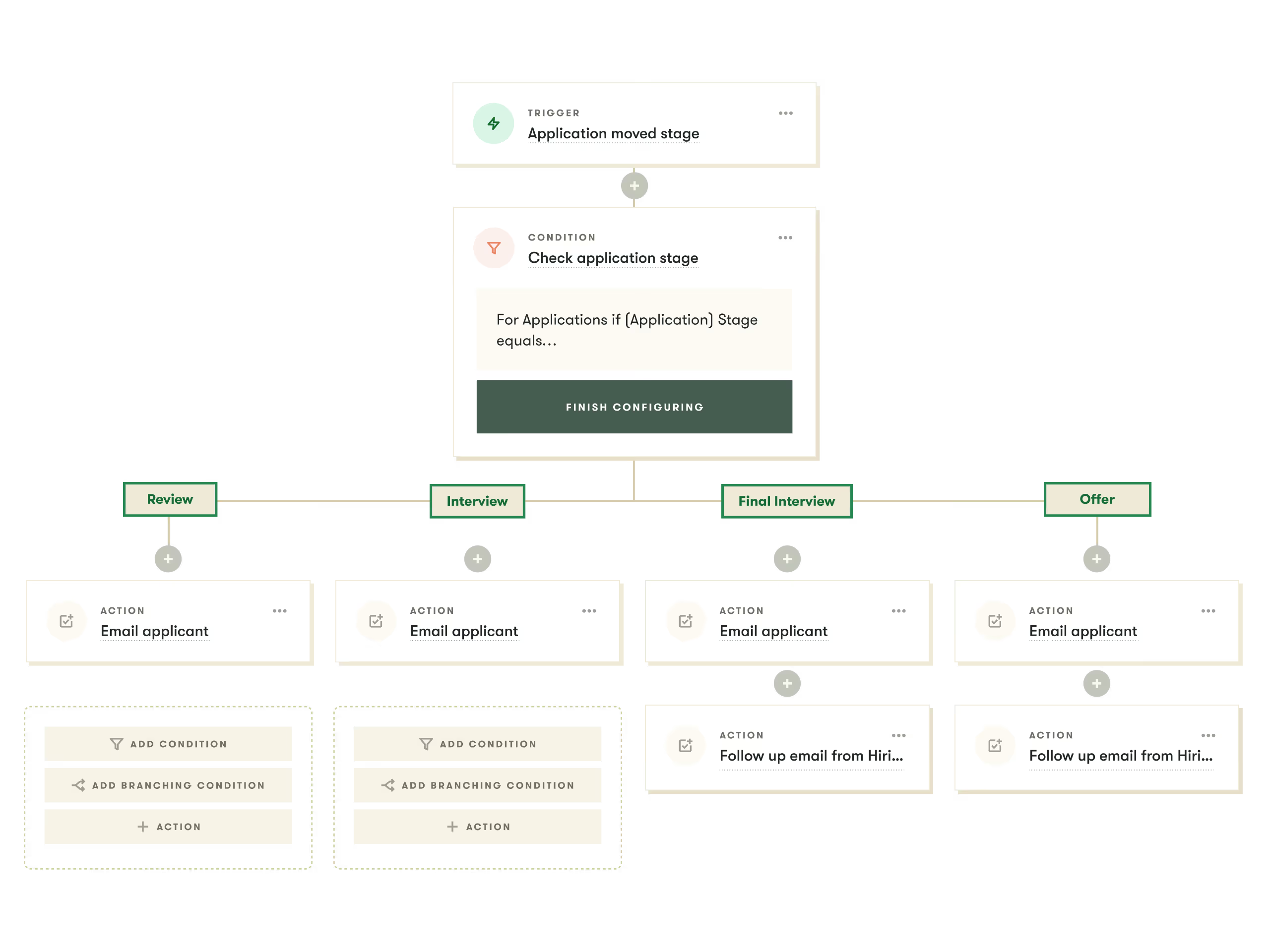
Every extra day of silence costs you great candidates. Pinpoint keeps people updated at every stage with automated interview invites, application status messages, and rejection fallbacks, without your team lifting a finger. Candidates get a faster, more transparent experience, and your team gets their time back.
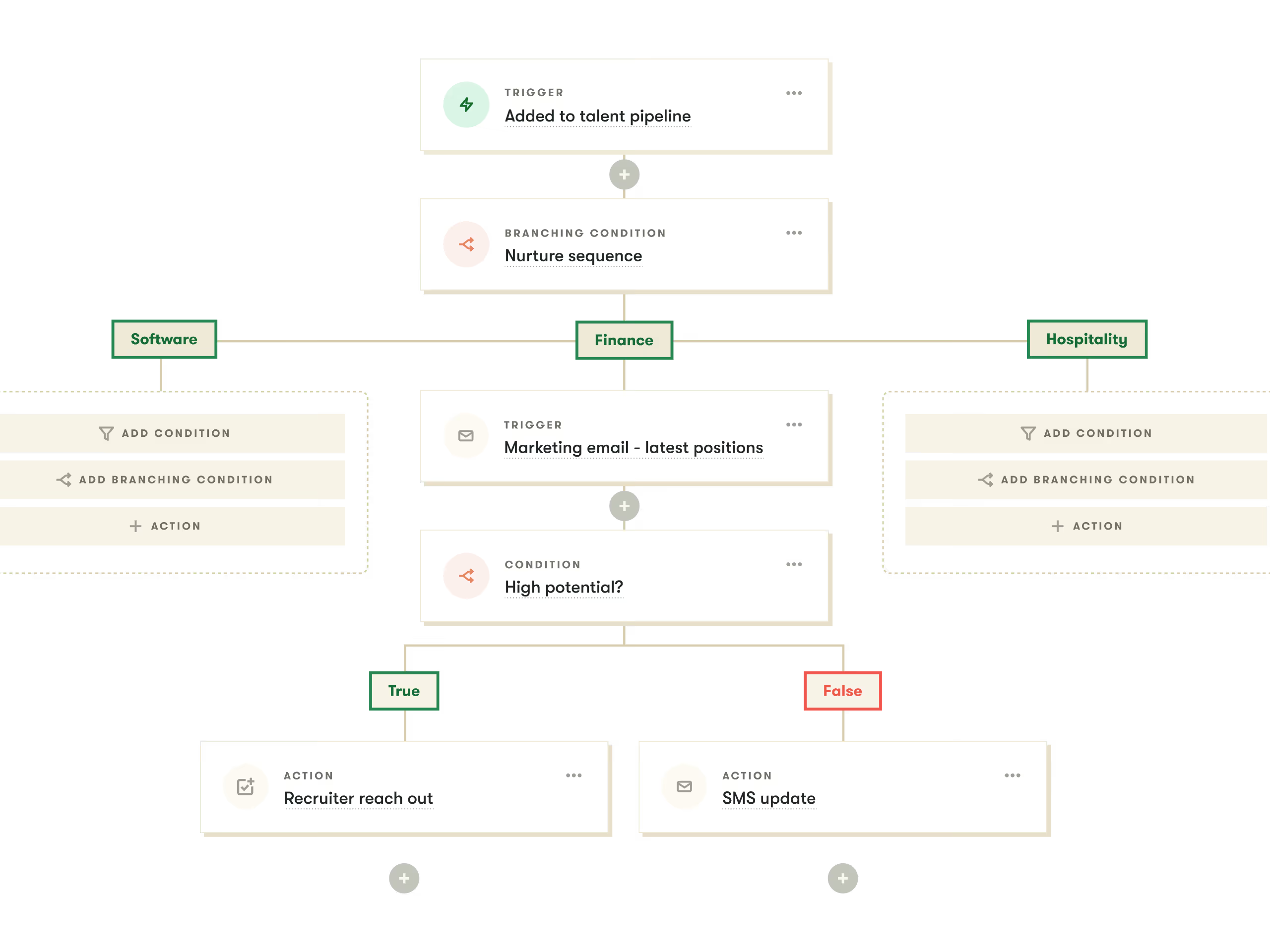
Most automation tools apply a single rule to every job. Pinpoint's branching logic applies different rules based on conditions (department, location, job type, answer to a screening question) so one automation can do the work of ten. Set it up once, and it figures out what to do from there.

Add screening questions to your application and let Pinpoint automatically route candidates based on their responses. Move the strongest straight to interview, hold promising middlers for review, reject those who aren’t a fit with a prompt, professional response, and talent pool candidates who could suit other roles. Works across complex, multi-site setups where requirements vary by location.

Set time-based SLA rules for every stage of your process. When a candidate sits too long without action, Pinpoint sends an alert to the recruiter, the hiring manager, or both. Stale offers get escalated automatically, so nothing slips through without someone being accountable.

Keep candidates engaged without manual outreach. Set up nurture sequences that send personalized messages over time (role updates, new opportunities, team news) so when the right job opens, the right people already know about it.














































65%
reduction in time to hire
Streamlined
casting day coordination
Increased
candidate communication

Strengthened
candidate engagement
Increased
candidate trust
Reduced
reliance on paid ads

Lower
risk of candidates stalling
Improved
visibility for TA leaders and stakeholders
3,500
employees supported in the states

Centralized
visibility on all candidates
100+
locations supported
Strengthened
hiring manager adoption


Waiting for FAQ from Pinpoint
Recruiting automation software helps hiring teams automate repetitive tasks across the recruitment process. This can include moving candidates through workflows, sending emails, triggering tasks, scheduling reminders, and keeping hiring teams aligned.
An ATS can automate workflows by triggering actions when candidates move between stages, submit forms, complete interviews, or require follow-up. In Pinpoint, recruiting automations can help teams move candidates, send communications, and assign tasks without manual admin.
Many modern applicant tracking systems include automation features. Pinpoint supports flexible, smart recruiting automations that help teams manage candidate movement, communication, tasks, and structured hiring workflows from one platform.
Yes. Recruiting automation can help teams send timely candidate emails, reduce manual follow-up, and keep applicants informed throughout the hiring process. This improves consistency while helping recruiters spend more time on high-value work.
Yes. Pinpoint helps hiring teams manage structured hiring workflows, candidate communication, interview processes, and offer-related steps from one recruiting platform.
Recruitment automation tools are used to reduce manual work across hiring workflows. Common use cases include candidate emails, task reminders, workflow triggers, interview coordination, pipeline movement, and hiring team notifications.
Companies can automate hiring touchpoints by setting up workflow rules for candidate updates, internal tasks, hiring team notifications, and stage-based communication. This helps create a more consistent process for candidates and recruiters.