How GOSH Charity reduced recruitment admin and strengthened the hiring experience with Pinpoint
Nonprofit

Improved
quality and quantity of applications

Automated
interview scheduling

Captured
EDI data from application stage
As a charity funded by the generosity of its supporters, GOSH Charity wants its people to spend their time where they can make the greatest impact. Helen found that too much of her time was being taken up by recruitment administration that could be simplified or automated.
Interview scheduling was the biggest drain. Every interview had to be arranged manually,with Helen coordinating availability between candidates and hiring managers.There was no central oversight, and managers couldn't manage their ownscheduling. That left less time for Helen to work on the wider recruitmentpriorities she'd been brought in to develop.
Taking routine coordination out of the process has given Helen more time to focus onattracting great people, improving the candidate and hiring manager experience,and developing GOSH Charity's approach to direct recruitment.
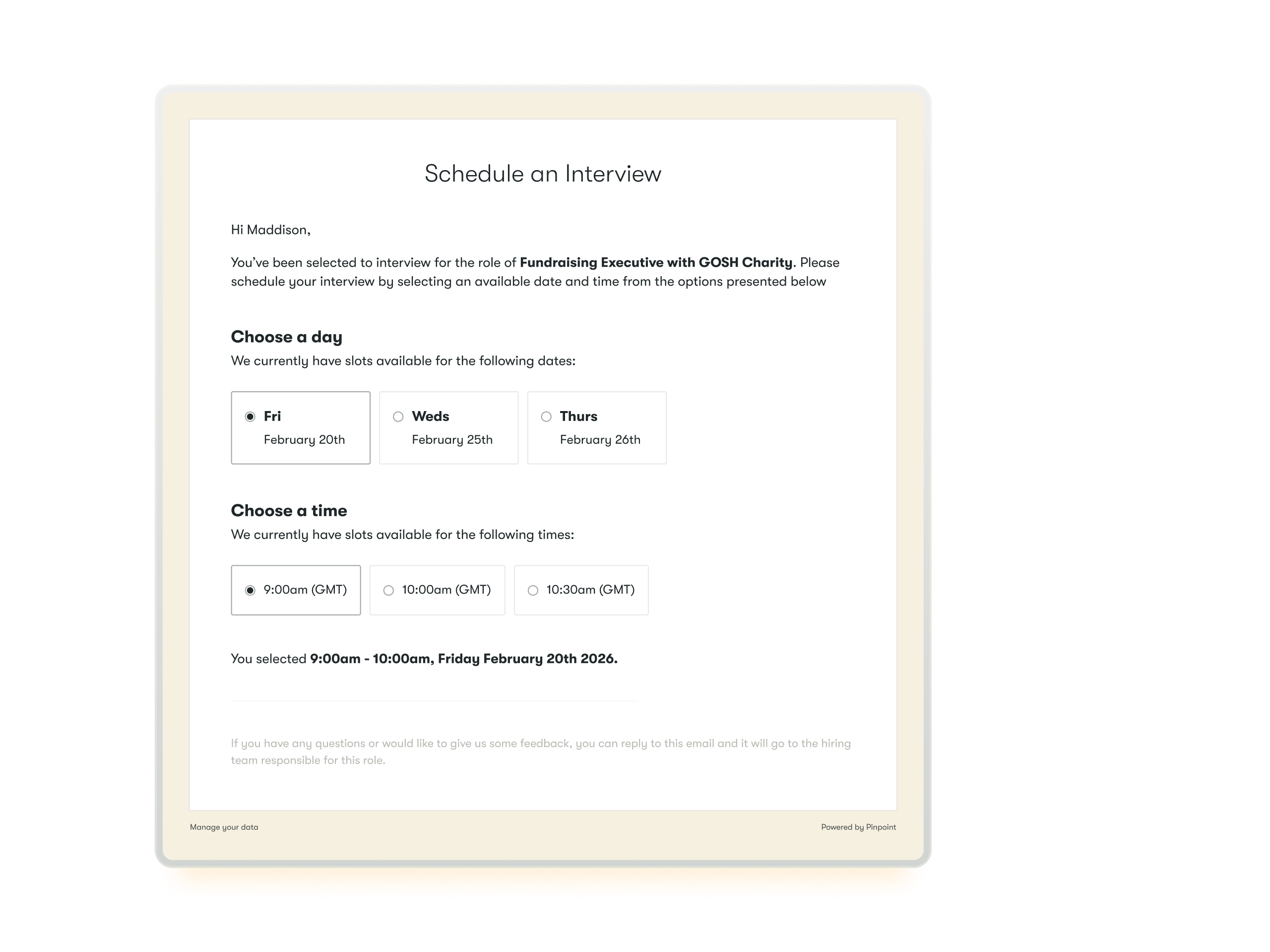
Pinpoint moved interview scheduling into the hiring workflow and gave managers control of their own diaries.
Helen tested the platform with hiring managers before choosing it, including people with different levels of technical confidence. Since launch, managers have been able to schedule interviews, follow the guidance in Pinpoint, and keep their hiring moving with relatively little support.
This has taken routine coordination off Helen's plate and given her more time to focus on how GOSH Charity attracts and hires people, including developing its approach to direct recruitment.
Increased
hiring manager independence
Improved
the quality and quantity of applications
Automated
interview scheduling
When Helen joined GOSH Charity, the candidate experience was inconsistent and needed to be reviewed. Her goal was to ensure every applicant heard back and for the application process to be simple.
Attraction and reach also needed work. The previous ATS limited where GOSH Charity could advertise roles, making it harder to reach the candidates it wanted. Helen wanted to strengthen direct recruitment, and improve the candidate experience throughout the whole recruitment lifecycle.
Helen designed a short application process in Pinpoint. Candidates can drag and drop their resumé, cover letters are optional, and one tailored question asks about their motivation or relevant experience.
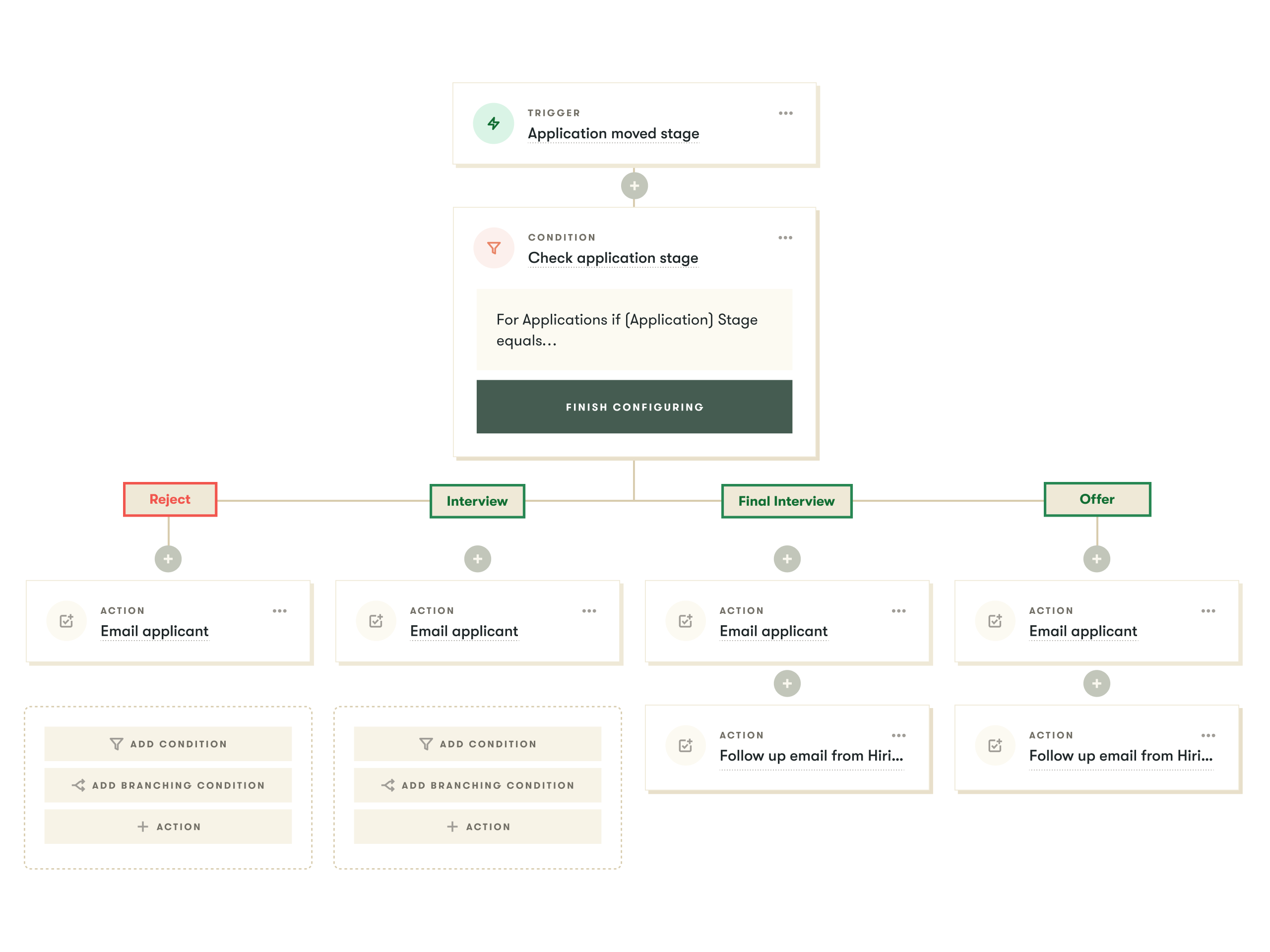
Automated communications now give candidates a response regardless of how far they progress. GOSH Charity also uses tags and Talent Pools to keep track of strong previous applicants who could suit future opportunities.
Better job board integrations have expanded the team's options for attracting candidates, while the new careers site gives applicants a clearer view of the impact their role could support. These changes have improved both the quality and quantity of applications coming into GOSH Charity. With these changes, candidate NPS scores have also improved.
Standardized
candidate communications across hiring processes
Simplified
the application experience
Built
a reusable talent pool
GOSH Charity wanted to understand how people from different backgrounds moved through its recruitment process, starting from the moment they applied. Data analytics in the previous ATS didn’t provide a full picture. Helen wanted to understand who was applying, who was progressing and who was ultimately successful. This change allowed her to review hiring processes to ensure inclusivity. GOSH Charity also needed better evidence behind individual hiring decisions.
Structured interview scoring was already in place, but scoring lived separately in Word documents and had to be brought together manually. This made the process manual and labour intensive for hiring managers and it was difficult to aggregate scoring.
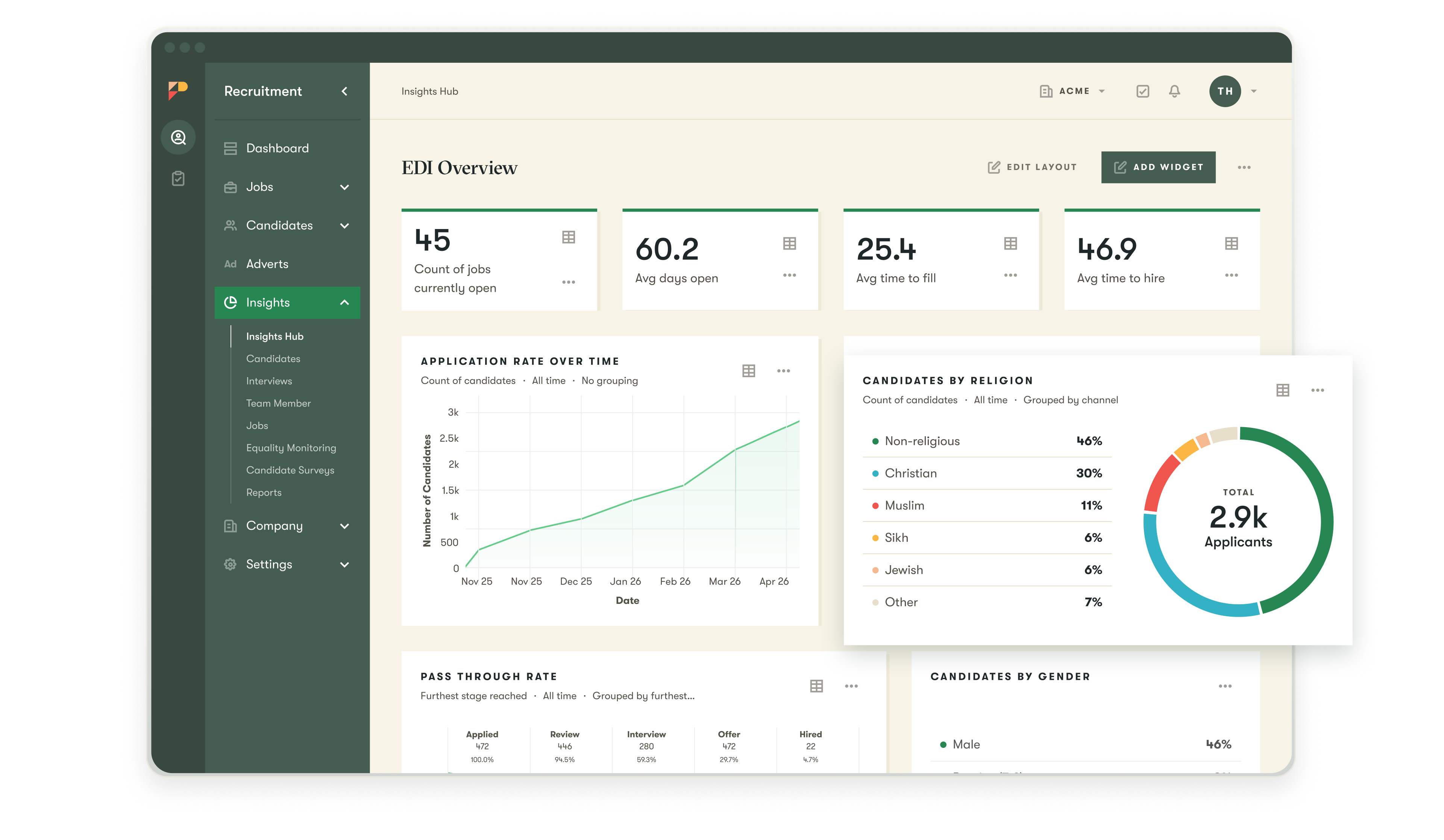
Pinpoint enables GOSH Charity to capture EDI information from the application stage and use the built-in Insights Hub to understand how candidates move through the hiring process.
The team can see where outcomes differ and use that information to examine its recruitment practices. Anonymization and redaction features also support GOSH Charity's approach to inclusive hiring. Structured scorecards bring interview feedback into the same system, while interviewers assess candidates against agreed criteria, and the comparison view makes scoring differences easier to spot and discuss.
Together, this data gives GOSH Charity a clearer view of who moves through its recruitment process and better evidence to keep improving how hiring decisions are made.
Captured
EDI data from application stage
Supported
more consistent, evidence-based interview assessment
Tracked
group progression through the hiring process

Book a demo to explore how Pinpoint supports better hiring decisions